- Contact Us Now: (877) 667-1211 Tap Here to Call Us




How to Compare Trust Documents Before a Florida Consultation


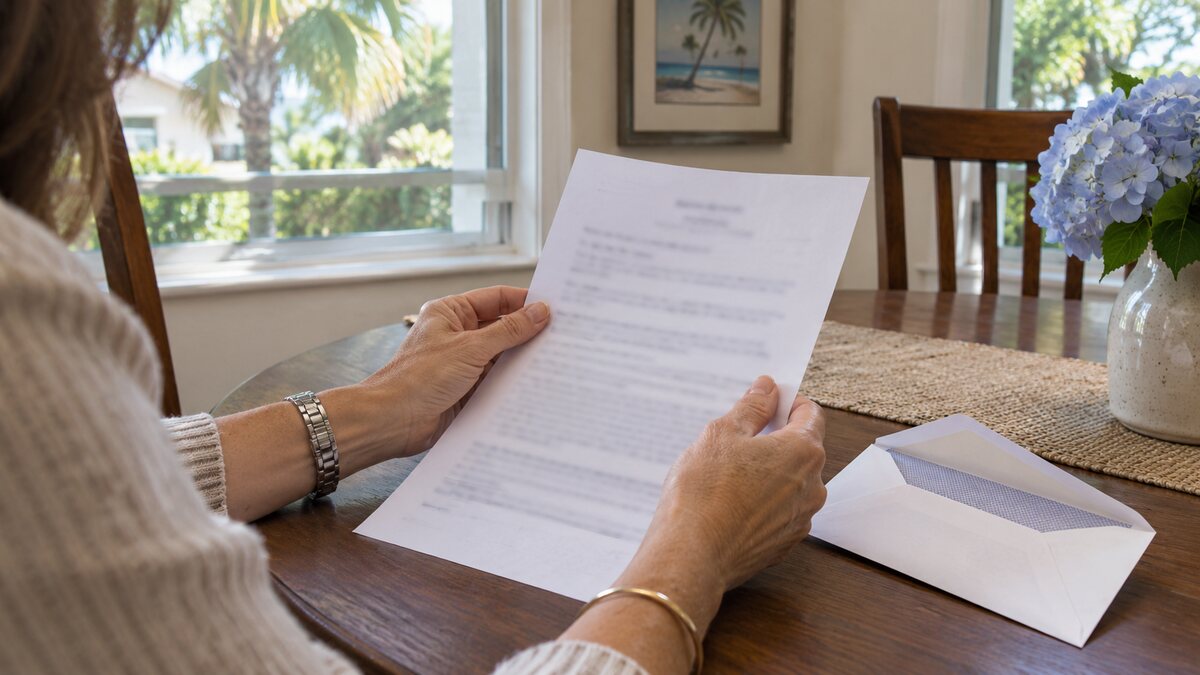
When you compare trust documents, start by listing exactly what you have. A signed trust, a later amendment, and an unsigned draft can look alike at first glance. Give each document its own line before trying to work out what changed.
Identify each document by its own wording
Copy the title and date from the document itself. Record the filename separately. A file named “final trust” may contain a draft. If a signature page is missing, write “signature page missing from my copy.” That describes the gap accurately and gives your attorney a specific record to request.
Follow the section number as well as the name
Imagine an amendment says it replaces Article Four, paragraph B. Put that reference beside the corresponding paragraph in the earlier document. Copy enough of the surrounding language to show what the paragraph addresses. A person named as a successor trustee may also appear somewhere else as a beneficiary. Record each role separately.
If the amendment refers to a schedule you do not have, leave a blank in the comparison. Note the schedule’s name and which document mentions it. A blank with a source tells your lawyer more than a conclusion based on an incomplete copy.
Compare trust documents using a short table
Use four columns. In the first, identify the subject, such as successor trustee. In the second and third, record the page and wording from each document. In the fourth, put your question. For example, “Does the later paragraph change who serves first, or only who serves if that person declines?”
Keep your notes in a separate file so the originals stay intact. Bring the full copies, including signature pages, attachments, and any envelopes or emails showing how you received them. Your attorney can then assess which documents matter and whether another version is needed to answer your question.