- Contact Us Now: (877) 667-1211 Tap Here to Call Us




Reviewing a Florida Estate Accounting: Three Questions to Ask


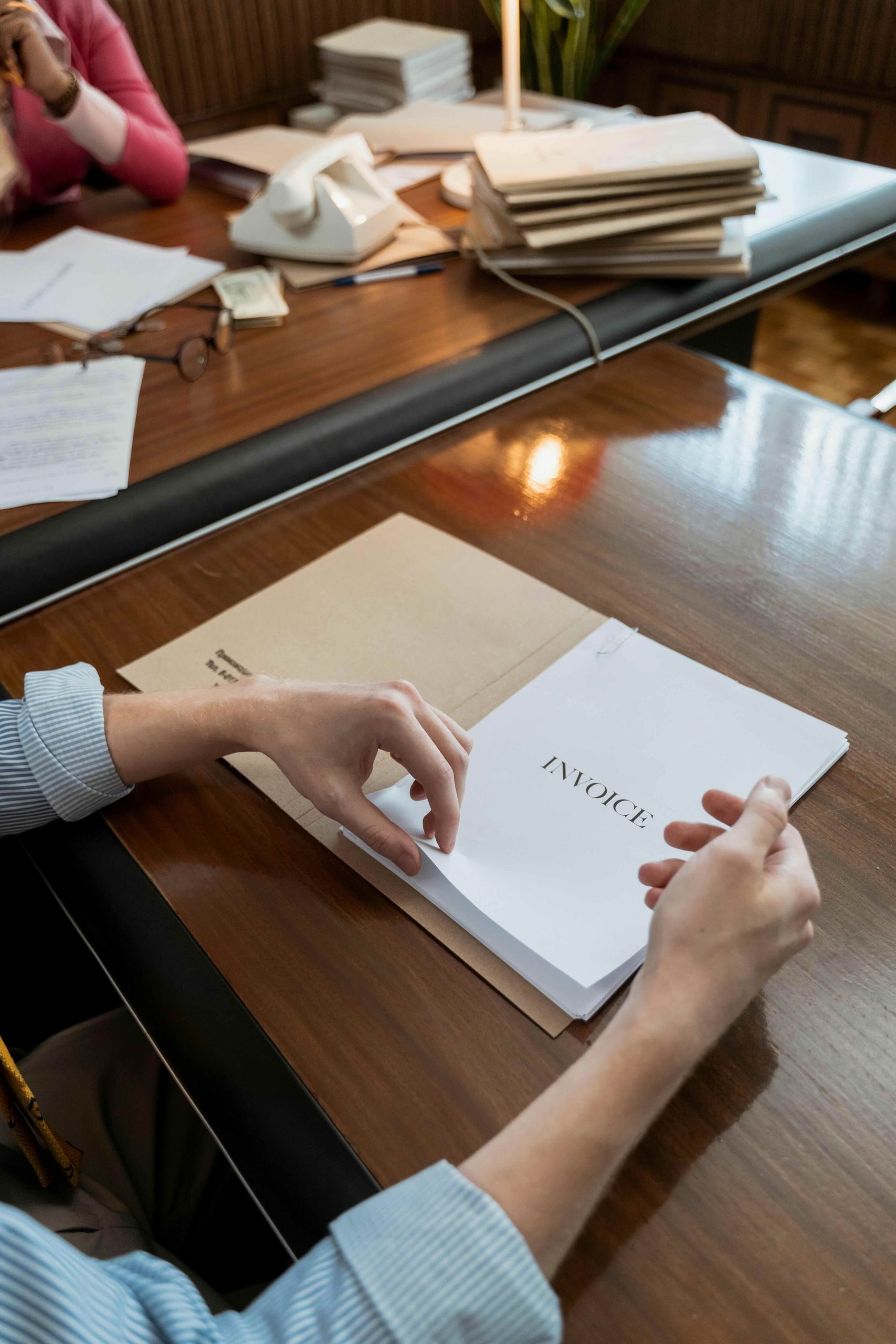
A Florida estate accounting arrives, and the distribution is smaller than you expected. Before trying to explain the difference, pick one figure you can trace. A house sale is often a good place to start because the closing statement gives you a second record to compare.
What time period does the accounting cover?
Write down the opening and closing dates. Suppose the estate sold a house in September, but the accounting ends in August. You would look for the house among the assets still on hand in August. Looking for September’s sale proceeds in the same report could send you chasing a discrepancy that the dates explain.
Which figures are you comparing?
A $400,000 sale price and a $245,000 deposit can describe the same closing. Find the seller’s closing statement. Start with the sale price, then trace the mortgage payoff, taxes, closing expenses and credits to the amount payable to the estate. Compare that bottom line to the receipt in the accounting. If a difference remains, write down the exact amount and the page where you found it.
What document would answer your question?
A line labeled “property expenses” may combine several payments. A focused question gives the personal representative something concrete to answer. For example, “Schedule B lists $6,450 for property expenses. Which invoices make up that figure, and what dates do they cover?” Keep a copy of the response alongside the original entry.
If you want a lawyer to review a Florida estate accounting, bring the complete accounting and schedules, the notice or email that accompanied it, the date you received it, and any supporting records you already have. Flag any hearing date or response deadline when you call, even if you are still waiting for an invoice.